Review: Homeschool Mom SVG Design for Embroidery
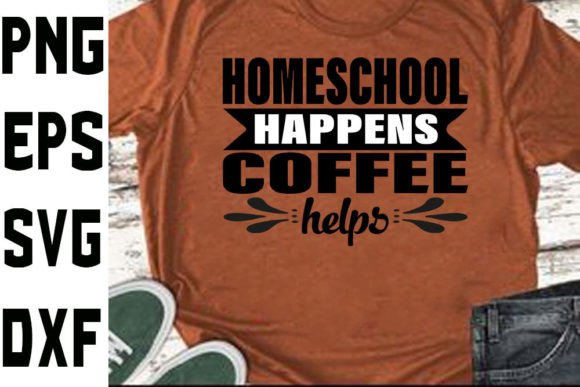
As a designer who spends half my life digitizing and the other half stitching, I have learned that not every cute graphic translates well to thread. When I first pulled up Homeschool Mom Svg Design Homeschool H, I was looking for more than just a trendy phrase. I wanted to see if this design had the structural integrity to survive the rigors of a washing machine and the aesthetic balance to look professional on a finished product. The tagline "Homeschool happens coffee helps" is relatable, but in the world of Crafts and Graphics, relatability must be paired with technical execution.
First Impressions and Visual Personality
The initial layout of this design strikes a balance between playful and readable. For an embroidery project, clarity is king. If the text is too whimsical or the elements too cluttered, the stitch definition gets lost, especially on textured fabrics. This design appears to prioritize legibility, which is crucial when you are working with satin stitch lettering or dense fill stitch backgrounds. The mood is warm and humorous, appealing directly to the target demographic of busy parents who manage education at home. It does not feel overly corporate; instead, it has the handmade charm that buyers look for in personalized gifts.
When evaluating the visual personality, I consider how the elements interact. Does the coffee cup icon overpower the text? Is the spacing adequate for the needle to penetrate without causing puckering? From a reviewer’s standpoint, the composition seems balanced for standard hoop sizes, avoiding extreme corners that often cause registration issues in multi-color designs.
Real-World Application: The Tote Bag Test
To truly judge a design, you must imagine it on a physical item. I recently worked on a custom order for a local homeschool co-op, and this type of design is perfect for a heavy-canvas tote bag design. Imagine stitching this onto a natural cotton tote. The contrast of dark thread against the light fabric would make the "coffee helps" portion pop. However, because tote bags are functional items subjected to heavy use, the stitch density must be robust. If the design relies too heavily on thin running stitch outlines, it might snag. A well-digitized version of this file should use sufficient underlay to anchor the top stitches, ensuring the finished product remains durable.
Beyond totes, this design shines on sweatshirt embroidery. A crewneck sweatshirt provides a stable, thick surface that handles higher stitch counts well. Placing the design on the left chest creates a subtle, boutique look, while a larger center-chest placement makes a bold statement. For Etsy sellers and small shop product creators, offering both placement options can increase perceived value. The humor in the phrase encourages social sharing, which is invaluable for craft business marketing.
Navigating Fabric and Hoop Constraints
While the design is versatile, it is not without its challenges. Any experienced embroiderer knows that fabric texture plays a massive role in the final outcome. On fluffy towels or fuzzy fleece, fine details can disappear. If you plan to use this on a baby embroidery item like a onesie, you must be cautious. Baby skin is sensitive, so the back of the embroidery must be clean. Using a soft stabilizer and ensuring no harsh jump stitches are left untrimmed is essential. Furthermore, tiny lettering can become illegible if the hoop size is too small or the needle too large.
Curved surfaces present another hurdle. Applying this to a cap or hat requires careful hooping. The curvature can distort the text if the design is too wide. I recommend testing the design on a scrap piece of similar fabric before committing to the final garment. Check how the thread colors interact with the base material. On dark fabrics, you may need to adjust the digitizing to include a white underlay or choose lighter thread colors to maintain visibility. This is where having access to multiple file formats becomes critical.
File Formats and Technical Versatility
The product description notes that the ZIP file contains EPS, SVG, PNG, and DXF files. For embroidery machines, you typically need specific machine formats like PES, DST, or JEF, which are not explicitly listed here. This is a crucial distinction for digital embroidery file users. If you are a designer using cutting machines for heat transfer vinyl (HTV), the SVG and DXF files are ideal. For those using embroidery software to convert or edit the design, the EPS and SVG formats provide vector scalability. However, if you are looking for a ready-to-stitch machine embroidery design, you must verify if the vendor provides native embroidery formats or if you need to digitize it yourself from the vector files. Always confirm licensing before selling commercial embroidery items.
For printable mockup creation, the PNG files are useful for previewing how the design looks on different colored shirts without stitching a single thread. This helps in creating compelling listings for your design assets store. High-resolution PNGs allow for realistic shadows and textures, enhancing the perceived quality of your handmade product previews.
Enhancing Brand Value and Customer Trust
Using a well-executed design like Homeschool Mom Svg Design Homeschool H contributes to brand consistency. When customers receive a gift that looks professional and feels durable, their trust in your brand grows. Whether it is a holiday embroidery gift for a teacher or a personalized gift for a new homeschooling mom, the quality of the stitch reflects the care of the maker. Poorly digitized designs with loose threads or misaligned colors can damage a small business reputation quickly. Conversely, crisp edges and vibrant colors encourage repeat business and positive reviews.
Consider the applique design potential as well. If the coffee cup element is large enough, it could be adapted into an applique to reduce stitch count and add texture. This technique is popular for embroidered patch styles and adds a tactile dimension to the product. It also reduces the risk of puckering on stretchy fabrics, making it a safer choice for custom apparel made from thinner materials.
Practical Designer Notes
- Test on Scrap Fabric: Always run a test stitch-out on the same type of fabric you intend to use for the final product. This reveals any tension issues or density problems.
- Check Thread Contrast: Ensure your thread colors stand out against the fabric. Use a color wheel to select complementary or contrasting shades that enhance readability.
- Review Stitch Density: High density can cause fabric distortion. If the design feels stiff after stitching, consider reducing the fill density in your editing software.
- Confirm Hoop Size: Measure the design dimensions against your machine’s maximum hoop size. Do not attempt to squeeze a large design into a small hoop by resizing excessively, as this distorts proportions.
- Inspect Small Details: Zoom in on the digital file. Are there tiny isolated stitches that might break? Remove or merge them to improve durability.
- Use Proper Stabilizer: Match the stabilizer to the fabric weight. Cut-away stabilizer is best for stretchy knits, while tear-away works for stable wovens.
- Verify Licensing: Before selling items made with this design, read the license agreement. Some files are for personal use only, while others allow commercial sales.
In conclusion, Homeschool Mom Svg Design Homeschool H offers a charming and marketable theme for the right projects. Its success lies in the execution. By paying attention to fabric choice, stabilizer selection, and stitch quality, you can transform this digital asset into a high-value handmade product. Whether you are an Etsy seller looking to expand your niche or a hobbyist making gifts for friends, this design holds promise if treated with the technical respect it deserves.